Have you ever wondered if your drawings or paintings could become a reliable source of income?
The answer is yes.
Thousands of artists around the world are earning money by selling original artwork, taking commissions, teaching online, licensing designs, and even creating digital products. Whether you’re a beginner sketching in a notebook or an experienced painter with years of practice, there are more opportunities than ever to monetize your creativity.
The global online art market has grown rapidly over the past few years, making it easier for artists to reach buyers without owning a physical gallery. Social media, print-on-demand platforms, and freelance marketplaces have opened new doors for creative professionals.
In this guide, you’ll learn how to make money from drawing and painting, discover the best platforms to sell your artwork, and understand practical strategies that successful artists use to build a long-term income.
If you’re also looking for more legitimate ways to earn money online without investment, don’t miss our complete guide covering beginner-friendly online earning methods that require little to no upfront cost.
Can You Really Make Money from Drawing and Painting?
Yes, absolutely.
Drawing and painting are valuable skills that businesses, collectors, publishers, game developers, and everyday customers are willing to pay for.
You don’t need to be a famous artist before earning your first income. Many successful creators started by selling simple portraits, pet illustrations, custom birthday gifts, or printable artwork online.
Featured Snippet
How can you make money from drawing and painting?
You can earn money by:
- Selling original artwork
- Accepting custom commissions
- Selling digital art downloads
- Teaching drawing classes
- Starting a YouTube channel
- Creating online art courses
- Licensing artwork
- Selling prints
- Freelancing as an illustrator
- Designing products for print-on-demand stores
The best approach is combining multiple income streams instead of relying on just one.
Also Read –
Why More Artists Are Earning Online Than Ever Before

The internet has changed the way artists build careers.
Instead of waiting for gallery exhibitions, creators now sell directly to customers worldwide through online marketplaces and social media.
Some major advantages include:
- Reach customers globally
- Work from home
- Low startup costs
- Flexible working hours
- Unlimited earning potential
- Build a personal brand
Many independent artists now earn more online than they would through traditional galleries because they keep a larger share of each sale.
1. Sell Original Drawings and Paintings
Selling original artwork remains one of the most profitable methods.
Collectors appreciate owning one-of-a-kind pieces that cannot be duplicated.
Popular artwork includes:
- Watercolor paintings
- Acrylic paintings
- Oil paintings
- Pencil sketches
- Charcoal portraits
- Abstract art
- Landscape paintings
- Wildlife art
Pricing Tips
Don’t undervalue your work.
Consider:
- Time spent
- Material costs
- Skill level
- Market demand
- Frame and packaging
- Shipping expenses
As your reputation grows, increase your prices gradually.
2. Take Custom Art Commissions
Custom commissions provide consistent income because customers pay for personalized artwork.
Examples include:
- Family portraits
- Pet portraits
- Wedding illustrations
- House sketches
- Birthday gifts
- Cartoon portraits
- Business illustrations
Many artists earn significantly more from commissions than from selling ready-made artwork.
Example
Imagine someone wants a hand-drawn portrait of their dog.
A simple pencil sketch could sell for $50–$150, while a detailed watercolor painting may sell for $200–$600 depending on complexity.
3. Sell Art Prints
Selling prints allows you to earn from the same artwork repeatedly.
Instead of selling the original once, you can sell hundreds of high-quality prints.
Popular print formats include:
- Canvas prints
- Framed prints
- Posters
- Fine art paper prints
This creates passive income because one painting can generate sales for years.
4. Sell Digital Art Downloads
Digital products require no shipping.
Customers download the artwork instantly after purchase.
Popular digital products include:
- Wall art
- Coloring pages
- Planner stickers
- Printable quotes
- Nursery prints
- Wedding templates
After uploading your artwork once, every future sale becomes mostly passive income. This makes digital art an excellent option for beginners, especially students who want to earn while focusing on their studies.
If you’re studying in school, check out our complete guide on How to Earn Money as a Student of Class 11 to discover more practical ways to build an online income without affecting your education.
5. Start an Art YouTube Channel
You don’t need millions of subscribers.
Many artists earn through:
- Advertising revenue
- Brand sponsorships
- Affiliate marketing
- Selling courses
- Driving traffic to their online store
Popular video ideas include:
- Speed painting
- Time-lapse drawings
- Sketchbook tours
- Art tutorials
- Beginner lessons
- Studio vlogs
Educational content often performs well because viewers return to learn new techniques.
6. Teach Drawing and Painting Online
Teaching is one of the most stable income streams for artists.
You can offer:
- Live Zoom classes
- Private coaching
- Group workshops
- Online memberships
- Recorded courses
Students value learning directly from experienced artists rather than relying only on free tutorials.
Even teaching a few hours each week can create reliable recurring income.
7. Create an Online Art Course
Instead of teaching live every day, record lessons once and sell them repeatedly.
Topics might include:
- Pencil shading
- Watercolor basics
- Portrait drawing
- Landscape painting
- Acrylic techniques
- Digital illustration
This model scales much better because one course can generate income for months or years.
8. Sell Artwork Through Social Media
Platforms like Instagram, Pinterest, Facebook, and TikTok help artists attract buyers organically.
Share content such as:
- Behind-the-scenes videos
- Work-in-progress photos
- Finished artwork
- Customer testimonials
- Packaging videos
- Studio setup
Consistency builds trust.
People often purchase artwork after following an artist for several weeks or months.
9. License Your Artwork
Licensing allows companies to use your designs while you retain ownership.
Businesses may print your artwork on:
- Calendars
- Greeting cards
- Clothing
- Phone cases
- Stationery
- Home décor
- Packaging
Instead of selling the copyright permanently, you receive licensing payments or royalties.
This can become an excellent source of long-term passive income.
10. Work as a Freelance Illustrator
Illustrators are in demand across many industries.
Potential clients include:
- Publishers
- Advertising agencies
- Marketing companies
- App developers
- Game studios
- Children’s book authors
- Magazine publishers
Freelance illustration projects often pay significantly more than casual art sales because they solve business problems.
11. Sell Print-on-Demand Products
Print-on-demand lets your artwork appear on products without holding inventory.
Popular products include:
- T-shirts
- Hoodies
- Tote bags
- Coffee mugs
- Phone cases
- Pillows
- Notebooks
When someone orders a product, the printing company handles production and shipping.
This means you can focus on creating art instead of managing inventory.
12. Create Coloring Books
Adult coloring books remain popular because they promote relaxation and creativity.
If you enjoy line art, you can create:
- Animal coloring books
- Mandalas
- Floral designs
- Fantasy illustrations
- Children’s coloring books
Once published digitally or in print, these books can continue generating sales over time.
13. Design Book Covers
Authors constantly need attractive book covers.
If you specialize in illustration or digital painting, book cover design can become a high-paying niche.
A professional cover often sells for hundreds of dollars, depending on complexity and usage rights.
14. Participate in Local Art Exhibitions
Don’t ignore offline opportunities.
Local exhibitions help you:
- Meet collectors
- Build relationships
- Receive direct feedback
- Gain credibility
- Sell original paintings
Networking often leads to commissioned projects and referrals.
15. Build Your Own Art Business
Instead of thinking like a hobbyist, think like an entrepreneur.
Create:
- Your own website
- Email newsletter
- Portfolio
- Blog
- Brand identity
Owning your audience means you’re not dependent on changing social media algorithms.
A professional online presence also builds trust with buyers.
Also Read –
- Online Careers Work From Home for Students
- Amazon Work From Home Jobs for Housewives
- Government Websites to Earn Money Work from Home
Real-Life Example: How One Artist Built Multiple Income Streams
Consider an artist who started by sharing watercolor paintings on social media.
At first, they sold only original artwork.
Later, they expanded into:
- Prints
- Online classes
- YouTube tutorials
- Custom commissions
- Digital downloads
- Licensing
Instead of relying on a single income source, they diversified their business. If one stream slowed down, others continued generating revenue.
This approach is common among many successful independent artists because it creates greater financial stability.
Tips to Earn More from Drawing and Painting
Growing your income isn’t just about making better art. It’s also about making smarter business decisions.
Here are practical tips:
- Post consistently on social media.
- Improve your photography skills.
- Respond quickly to customer inquiries.
- Build an email list.
- Learn basic marketing.
- Keep improving your artistic skills.
- Ask happy customers for reviews.
- Offer seasonal collections.
- Package artwork professionally.
- Experiment with different pricing strategies.
Small improvements in customer experience often lead to repeat buyers and referrals.
Common Mistakes Artists Should Avoid
Many talented artists struggle financially because of avoidable mistakes.
Avoid these common errors:
- Pricing artwork too low
- Ignoring marketing
- Not building a portfolio
- Depending on one platform
- Skipping contracts for commissions
- Posting inconsistently
- Giving up too early
Success usually comes from persistence and consistent improvement rather than overnight fame.
Who Is the No. 1 Painter in India?
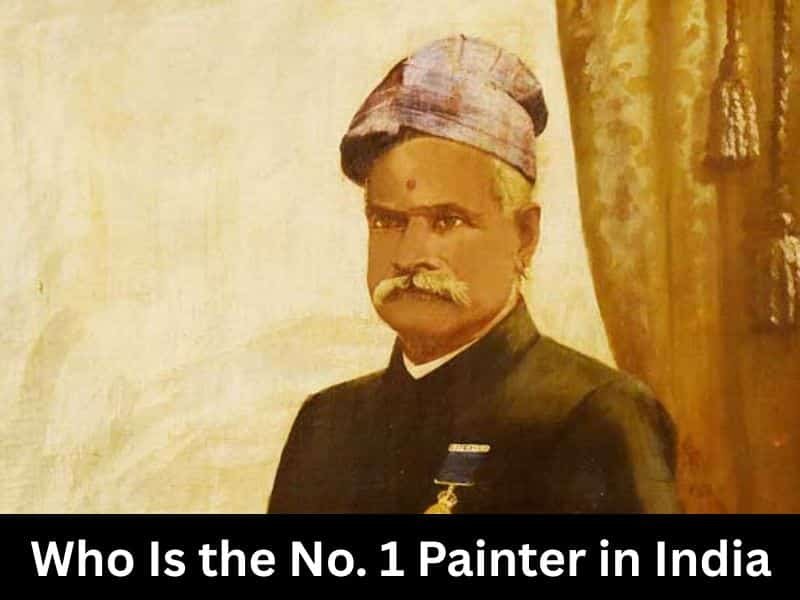
There is no official ranking that declares a single No. 1 painter in India, but Maqbool Fida Husain (M. F. Husain) is widely regarded as one of the greatest and most influential Indian painters of all time.
Often called the “Picasso of India,” M. F. Husain gained international recognition for his bold use of color, expressive brushstrokes, and unique style inspired by Indian culture, mythology, and everyday life.
His artworks have been exhibited in prestigious galleries around the world, and several of his paintings have sold for millions of dollars at international auctions. His contribution to modern Indian art continues to inspire aspiring artists and collectors alike.
| Painter | Known For | Recognition |
|---|---|---|
| M. F. Husain | Modern Indian Art | “Picasso of India” |
| Raja Ravi Varma | Mythological Paintings | Pioneer of Indian Realism |
| S. H. Raza | Abstract Art | Internationally Acclaimed |
| Tyeb Mehta | Contemporary Art | Record-Breaking Auction Sales |
Although M. F. Husain is often considered India’s most famous painter, many other legendary artists have also shaped the country’s rich artistic heritage.
Each painter developed a unique style and made significant contributions to Indian and global art.
Why M. F. Husain Is Considered One of India’s Greatest Painters
- Internationally recognized for modern Indian art.
- Famous for vibrant colors and bold artistic expression.
- Paintings inspired by Indian history, culture, and mythology.
- Artworks sold for millions at global auctions.
- Continues to influence modern artists and collectors worldwide.
The title of the “best” painter ultimately depends on artistic style, historical impact, and personal preference.
While art lovers admire Raja Ravi Varma for his realistic depictions of Indian mythology and S. H. Raza for his abstract masterpieces, M. F. Husain remains the most widely recognized name in modern Indian art.
If you are exploring Indian painting or planning a career in art, studying the works of these legendary painters can provide valuable inspiration and a deeper understanding of India’s rich artistic tradition.
Read More – How to Earn ₹500 Per Day Without Investment
Frequently Asked Questions
Is drawing a good career?
Yes. Drawing can become a full-time career through commissions, illustration, teaching, licensing, digital products, and print sales.
How much money can artists make?
Income varies widely based on skill, niche, audience, and marketing. Some artists earn a side income, while others build six-figure creative businesses by combining multiple revenue streams.
Can beginners sell artwork?
Absolutely. Many customers appreciate unique styles more than perfect technical skills. Starting with affordable commissions or small original pieces is a practical way to gain experience and build confidence.
Do I need expensive art supplies?
No. Many successful artists begin with basic pencils, sketchbooks, watercolors, or affordable digital drawing tablets. As your income grows, you can invest in better materials.
What is the fastest way to make money from drawing?
Custom commissions are often one of the quickest ways to earn because customers pay for personalized artwork, and demand remains strong for portraits, pet illustrations, and gift art.
Also Read –
- Dollar Earning Apps Without Investment
- Dollar Earning Apps Without Investment
- How to Earn Money from YouTube Shorts
- How Can I Earn Money from ChatGPT
Final Thoughts
Learning how to make money from drawing and painting is about more than creating beautiful artwork—it’s about connecting your creativity with people who value it.
Start with one or two income streams, such as commissions and prints, then gradually expand into digital downloads, teaching, licensing, or print-on-demand products. Diversifying your income makes your art business more resilient and opens the door to long-term growth.
Remember that every successful artist started somewhere. Consistent practice, smart marketing, and genuine engagement with your audience matter just as much as talent. Keep improving your skills, share your work regularly, and treat your passion like a business.
Over time, your drawings and paintings can become both a fulfilling creative pursuit and a sustainable source of income.

Ashraf Kamal is an experienced digital marketer and content creator who shares authentic methods of blogging, SEO, freelancing, and online earning. Earn Digital Pro aims to provide readers with valuable and practical knowledge to help them succeed in their online journey.